$38 Billion Is Being Spent On ICE's Warehouse Detention Network
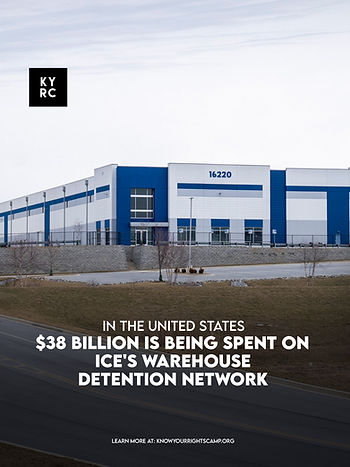
The U.S. government is pouring an eye-watering $38 billion into converting industrial warehouses into a sprawling network of immigration detention centers, a mass incarceration infrastructure that critics say criminalizes human suffering while starving American communities of desperately needed resources.
ICE has been quietly purchasing warehouses across the country, from New Jersey to Florida to Oklahoma, with plans for up to 24 "mega-detention" facilities holding tens of thousands of migrants. A single warehouse in Hagerstown, Maryland, over 800,000 square feet with just four toilets, already cost taxpayers $102 million. Individual facility upgrades could run as high as $150 million each.
The scale of dehumanization embedded in this project is staggering. ICE's acting director Todd Lyons openly compared his ambition to a logistics operation, stating he wants "to be able to move humans around the country as efficiently as Amazon ships packages." People fleeing poverty, violence, and persecution reduced to parcels on a conveyor belt.
These buildings were never designed for human beings. They sit on thick concrete slabs making plumbing installation enormously difficult, and are riddled with dozens of cargo bay doors that must be bricked up to prevent "escape." The rushed timeline, operational by year's end, has even private detention contractors GEO Group and CoreCivic pushing back, warning it's "too aggressive."
Communities across the political spectrum are alarmed. Maryland resident Doris Keil-Shamieh captured the human cost plainly: "The administration is ruining this country, and it's tearing apart communities that we need. And they're good people. This has got to stop."
Maryland's attorney general has already sued DHS, citing illegal failures to conduct environmental reviews or seek public input, a process the law requires.
Meanwhile, Hagerstown, a city of 45,000 struggling residents, receives no meaningful say. As Mayor Bill McIntire acknowledged, his city is trapped, afraid that even exercising its limited authority over water access could invite federal retaliation.
Thirty-eight billion dollars could fund community health clinics, schools, housing, and job programs for working Americans. Instead, it builds cages.
Link: PBS


Comments