$100K for a Lost Life: Premature Birth in Syracuse Jail Sparks Outrage Over Neglect and Accountability
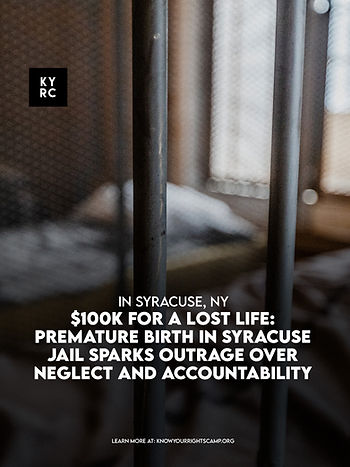
Cheree Byrd’s story is a devastating reminder of why pregnant women in jail need real medical support, not neglect. In 2022, Byrd, a Black woman held at the Onondaga County Justice Center on a misdemeanor petit larceny charge, went into labor while unable to post a $5,000 bond. Her baby was born at just 23 weeks; “extremely” premature; and later died. The charge against her was eventually dropped, but the damage was irreversible.
According to her lawsuit, Byrd told jail staff that her water had broken. Instead of immediate medical attention, she was reportedly given “Tylenol and a tampon.” Despite having a documented history of premature births, she was not taken to the hospital until a deputy noticed she was in active labor. A state Commission of Correction Medical Review Board later found that she was “not examined by a physician until 30 hours after she first reported that her water broke, an unacceptable delay in care.” The board concluded she received “deficient and negligent” treatment.
Byrd said she “screamed for help for over six days” while in labor. Other incarcerated women pleaded with guards on her behalf, but her cries were ignored. The Medical Review Board also noted that as she showed “signs and symptoms of active psychosis and delusional behavior,” prompt screening was essential. That, too, did not happen.
Women who are pregnant behind bars are still patients. They are still mothers. They are still human beings entitled to timely, competent care. Many, like Byrd, have documented medical and mental health histories that require careful monitoring. When jails fail to respond to clear signs of labor, the consequences can be fatal.
Byrd ultimately received a $100,000 settlement from Onondaga County, and the county did not renew its contract with the medical provider involved. But no settlement can restore a life lost. Her case shows that pregnancy in custody demands proactive care, clear protocols, and accountability. Anything less places mothers and babies at unacceptable risk.
Link: The Grio


Comments